Why specialty coffee cafes feel different
Specialty coffee is rarely just about the coffee. It often shapes the menu, the atmosphere, and the kind of people who gather there.
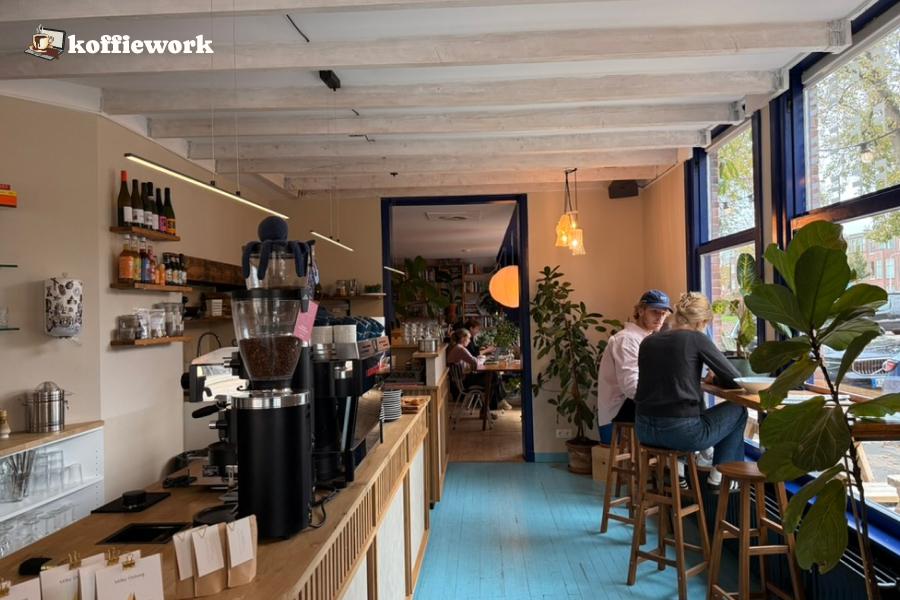
When people say they are looking for a cafe with good coffee, they are often looking for more than a drink.
They are looking for a certain kind of place. A place that feels considered. A place where the menu, the music, the pace of the room, and the people in it all make sense together.
That is why specialty coffee cafes stand out. It is rarely just about the espresso being better. It is about what that care tends to spill into: the food, the atmosphere, the service, and the kind of crowd that feels at home there.
Of course, this is not a universal rule. A non-specialty cafe can still be excellent. But as a pattern, cafes that take coffee seriously often have a clearer point of view about the rest of the experience too.
That difference matters even more when you are in a city you do not know well and trying to find your kind of room.
Specialty coffee often signals care#
The easiest way to say it is this: when a cafe puts effort into sourcing, roasting, brewing, and serving coffee, it often puts effort into other things too.
That does not mean every pastry will be perfect or every chair will save your back. It just means the place usually has more intention behind it.
You feel that intention in small ways. The menu is shorter, but better thought through. The room feels open instead of chaotic. The place is social without being noisy, or calm without feeling flat.
That creates cafes with more identity. Not always fancy, not always expensive, and not always laptop-friendly, but often more specific and more memorable.
If you like seeking out places with that kind of identity, our specialty coffee page and roasters directory are a good place to start.
The crowd changes the room#
One of the real reasons specialty coffee cafes feel different is the crowd they attract.
Not better people. Not more important people. Just a different niche.
You often find freelancers, founders, artists, designers, startup people, people with side projects, and people who simply care about how and where they spend time. That changes the energy of the room.
In many specialty cafes, people are not only there because it is convenient. They are there because the place itself is part of the reason they came. That tends to create a more intentional atmosphere. People come back. They recognize each other. Sometimes they work. Sometimes they chat. Sometimes they do both.
That is also why the vibe can feel so different from a bigger chain cafe. Chain cafes are not the villain here. They serve a broad purpose, and plenty of people rely on them. But specialty coffee cafes usually feel more specific and more local. For some people, that specificity is exactly the point.
Why these places become third places#
The phrase "third place" can sound abstract, but the idea is simple.
Your first place is home. Your second place is work. A third place is somewhere in between. Somewhere you return to that is not just functional. Somewhere you feel familiar enough to exhale.
Specialty coffee cafes often become that kind of place. Not because instant community appears the moment someone pours a nice flat white, but because repeated small moments add up. You start recognizing the person behind the machine. You notice the same regulars. You learn which seat feels right. The place becomes part of your routine.
For people who work remotely, run their own thing, or move between cities, that matters more than it might sound. A good third place gives shape to your day and makes a city feel less anonymous.
That is also why we think third places deserve their own category. People are not always looking for the best desk setup. Sometimes they are looking for somewhere they can land.
A clearer identity, not moral superiority#
It is worth saying this plainly, because coffee culture can become annoying very quickly if nobody says it.
Liking specialty coffee does not make someone more thoughtful, more creative, or more interesting. And a cafe serving specialty coffee is not automatically superior to every neighborhood spot serving straightforward coffee all day.
The point is not hierarchy. The point is identity.
A specialty coffee cafe usually has a stronger opinion about what kind of place it wants to be. Sometimes that means clear boundaries. A place may care deeply about coffee and atmosphere, but still not want laptops everywhere. That is often part of why the place works.
If you are working from cafes regularly, that is why it helps to know more than "good reviews" or "nice coffee." You want to know what kind of room it really is. Our guide on working from a cafe without treating it like coworking goes deeper on that side of it.
Why this matters even more when you are abroad#
When you are in your own city, you can learn by trial and error. When you are abroad, you usually do not have that luxury.
You are not only looking for coffee. You are looking for orientation. Somewhere that helps the city make sense for an hour or two. Somewhere you can reset, work a little, meet someone, or simply feel less like a stranger.
That is why people who care about specialty coffee often end up looking for the same kinds of cafes wherever they go. Not because every city should feel the same, but because these places often offer a recognizable kind of welcome.
This is exactly where koffiework becomes useful. It helps you find cafes with the kind of coffee, atmosphere, and work-friendliness you are actually looking for.
A few examples from koffiework#
You can already see this pattern in some of the cafes on koffiework.
Thrive Coffee House in The Hague is a good example of a cafe with clear personality. The coffee is good, the room is warm, there is a bookshelf, and there are only a couple of tables where laptops really make sense. It does not try to be everything for everyone, and that is exactly why it feels coherent.
Tigershark Coffee shows the same idea from another angle. It is a hard yes for coffee and not a work cafe in the usual sense. But it still belongs in the same conversation because it proves the point: specialty coffee places often have a strong identity, and people who value that identity actively seek them out.
Wakuli is a more approachable example when you are new in a city and want a reliable place to start. Good coffee, a clean interior, and a setup that makes it easier to settle in without overthinking it.
These are different kinds of places. That is the point. Specialty coffee does not produce one exact vibe, but it often produces a stronger point of view.
Finding your kind of place#
In the end, people are rarely searching for "coffee" in the most literal sense.
They are searching for a place that feels right for the kind of day they want to have. A place where the menu, the room, and the people make sense together.
That is why specialty coffee cafes matter to so many people. Not because they are automatically better than everything else, but because they often offer a more defined atmosphere. They tell you something about what the place values, and about who might feel at home there.
For remote workers, independent builders, artists, and travelers, that can make all the difference, especially in a city you do not know yet.
Looking for that kind of cafe in a city you do not know yet? Explore specialty coffee spots and work-friendly cafes on koffiework.
Keep exploring
Why koffiework focuses on specialty coffee cafes
Specialty coffee is not just about the cup. It often signals more care in sourcing, food, atmosphere, and the kind of place people want to return to.

Why the quietest place isn’t always the best place to work: the art of background noise in cafes
A deeper look at the “coffee shop effect” and why a gentle buzz of sound can unlock focus and creativity.

Why people are working more from cafes, and why that’s not a bad thing
Remote and hybrid work are reshaping cafe culture—here’s how laptop guests can create a win-win for guests and owners alike.
Sign up for our newsletter
Curious what we're brewing? Leave your email to stay in the loop.